

Blog > Downsizing in the Fox River Valley: What to Do With a Home Full of Stuff
Downsizing in the Fox River Valley: What to Do With a Home Full of Stuff
by
Downsizing in the Fox River Valley: What to Do With a Home Full of Stuff
You've decided to downsize. The hardest part isn't finding the right home — it's figuring out what to do with 25 years of accumulated life before you list.
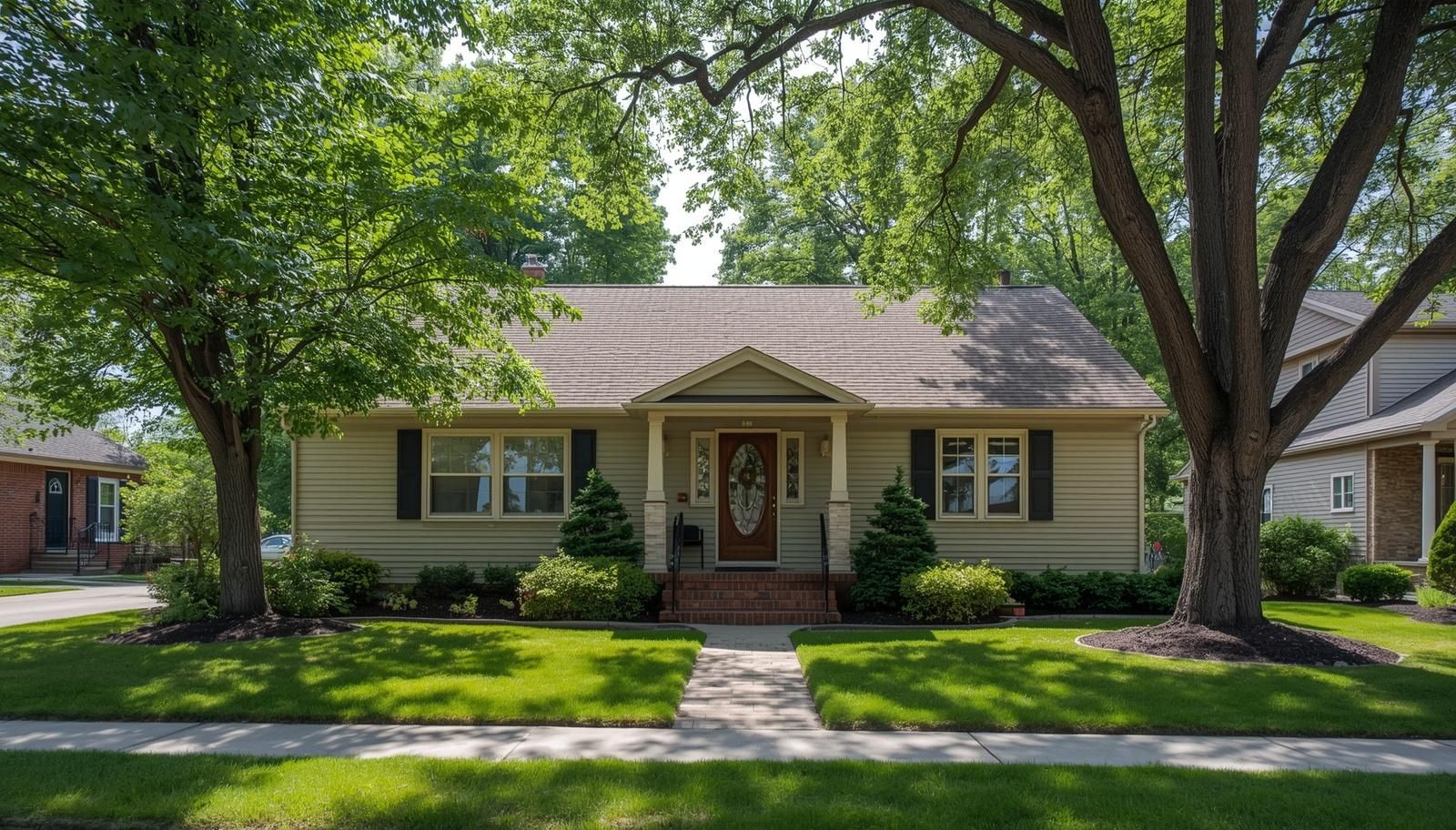
The furniture alone could fill the garage. The basement holds boxes from the last move that never got unpacked. Your kids left things they swore they'd come get someday. The closets carry three decades of seasons, sizes, and sentimental weight.
This is the real obstacle for most empty nesters in St. Charles, Geneva, and Batavia who are ready to downsize. The market decision — when to sell, what to list at, where to go next — is actually the easier part. A house full of stuff is what stops people cold.
Here is a practical framework for working through it. Not sentimental advice. A real sequence that gets your home market-ready without burning you out in the process.
Know What Your Home Is Worth Before You Touch a Drawer
Most downsizers make the same mistake: they start sorting and donating before they have a real number. You don't know what you're working with until you know your equity position. That number determines how much buffer you have — whether you can hire professionals to manage the cleanout, run an estate sale, and handle hauling, or whether you're doing it solo on a tight timeline.
A home purchased in 2001 for $280,000 in North Aurora or Sugar Grove could be worth $460,000–$540,000 today depending on condition, updates, and recent comparable sales in the neighborhood. That equity gap changes every decision downstream — staging budget, move timeline, and what you can afford to buy next.
Before you haul a single box to Goodwill, get your number. It takes 10 minutes and gives you a real basis for planning. Use the market snapshot at hochstetterhomes.com/snapshot to see what comparable homes in your area are actually selling for.
Bottom line: Your stuff decisions should follow your equity decision, not precede it. Know the number first. Everything else becomes easier from there.
Downsizing Is a Sorting Problem. Solve It Room by Room.
The three-pile method works: Keep, Sell/Donate, and Decide Later. The "Decide Later" pile is not a dump category — give it a date. If you haven't decided in 30 days, it defaults to Sell/Donate. That deadline keeps the process moving and keeps your basement from becoming a permanent holding zone.
Start with the rooms buyers care least about: basement, attic, and detached garage. These spaces have the most volume and the least emotional charge. Save the master bedroom and kitchen for last — those rooms carry the most memory weight and will slow you down if you begin there.
In Yorkville and Elgin, estate sale companies come to your home, price everything, run a two-day sale, and haul away the remainder for a percentage of proceeds — typically 30–40%. It's worth it for a home with significant volume. For furniture too large for your next home, try consignment. If a piece doesn't move in 60 days, donate it.
Bottom line: The stuff doesn't have to be solved in a weekend. Give yourself 90 days, work room by room, and set hard defaults so "Decide Later" never becomes a permanent category.
What is your home worth in today's market?
See your equity position before you commit to any plan — takes about 10 minutes.
Calculate My Equity →Sellers Go Blind to Their Own Homes. Buyers Don't.
You've lived in this home for 20 years. Your brain has edited out the water stain on the basement ceiling, the dated light fixtures in the hallway, and the carpet in the third bedroom that's been "fine for now" since 2009. Buyers see all of it in the first 60 seconds.
This is where a pre-listing walkthrough pays off. I walk through homes in St. Charles, Geneva, Batavia, and the surrounding Fox River Valley every week. In 15 minutes I can tell you what buyers in your price range will flag, what they'll use to negotiate, and what simply needs to go before photos are taken. Call me at 630-465-7413 to set up that conversation before you start staging.
The goal of decluttering isn't just to get the house clean. It's to create the neutral, open canvas that lets buyers project themselves into the space. Buyers can't do that when every shelf tells a 25-year story.
Bottom line: The stuff is personal to you. To buyers, it's noise. Strip the noise, and your price goes up.
The Stuff Is the First Chapter. Not the Whole Story.
Most empty nester conversations get stuck on the logistics of the current home, when the real question is what comes next. The practical work of sorting and selling is real, but it's finite. You'll get through it. The harder question is where you're going and how to time it so you're not caught between two transactions — paying two mortgages or sleeping in a hotel.
I spent 16 years as a landlord and investor before earning my license. That background made me better at running through the actual math — carry costs, timing risk, equity deployment. Most downsizers in the Fox River Valley have more flexibility than they realize. They just haven't modeled it yet.
The emotional weight of selling the family home is real. It doesn't make you indecisive — it makes you human. But decisions made under that pressure cost money: pricing too high, refusing showings, waiting for the perfect buyer. Knowing the data doesn't remove the emotion. It gives you something solid to hold onto when the emotion gets loud.
Should I renovate the kitchen before I list, or sell as-is?
Most Fox River Valley kitchens that are functionally sound don't need a full renovation to sell well. Paint, hardware, and lighting updates in the $2,000–$5,000 range often return more dollar-for-dollar than a full remodel. A full kitchen renovation runs $40,000–$80,000 in this market and rarely returns 100 cents on the dollar. Get a pre-listing walkthrough before you commit to any project.
What do I do if my kids want to keep things I need to get rid of?
Set a deadline. Give them 30 days to physically retrieve anything they want. If it's not gone by that date, it goes. This isn't harsh — it's the only framework that actually moves the process forward without letting the project drag on for a year.
How do I know what my Fox River Valley home is worth before I talk to an agent?
Start with the market snapshot at hochstetterhomes.com/snapshot. It gives you a current picture of what comparable homes are trading at in your area. It's not an appraisal, but it's a real data baseline — and it takes about two minutes to run.
Do I have to have the house fully cleared before I list?
No. Buyers understand sellers are in transition. What matters is clean, uncluttered, and well-lit. A house with tasteful furniture is easier to visualize than an empty one. The goal is neutral and tidy, not bare.
Downsizing in the Fox River Valley — and Buying Somewhere New?
Selling here, buying somewhere else — in state or out of state? The Sell Here Buy There program is built for exactly this sequence.
Get Your Number
We establish your home's current market value and equity position before anything else. You know what you're working with.
Coordinate Both Sides
We time the sale of your current home and the purchase of your next one so you're not paying two mortgages or caught between transactions.
Close With Confidence
One agent coordinates both transactions. No dropped handoffs, no information gaps between selling and buying.
Property tax rates, income tax rates, and cost-of-living figures are approximate averages sourced from publicly available state and municipal data. Individual rates vary by county and municipality. Home price figures reflect general market conditions and are not appraisals. Consult a tax professional for advice specific to your situation.
Ready to Know Your Number?
Three ways to start the conversation. No pressure. No obligation.